Vulvar Cancer: Expert Diagnosis and Treatment
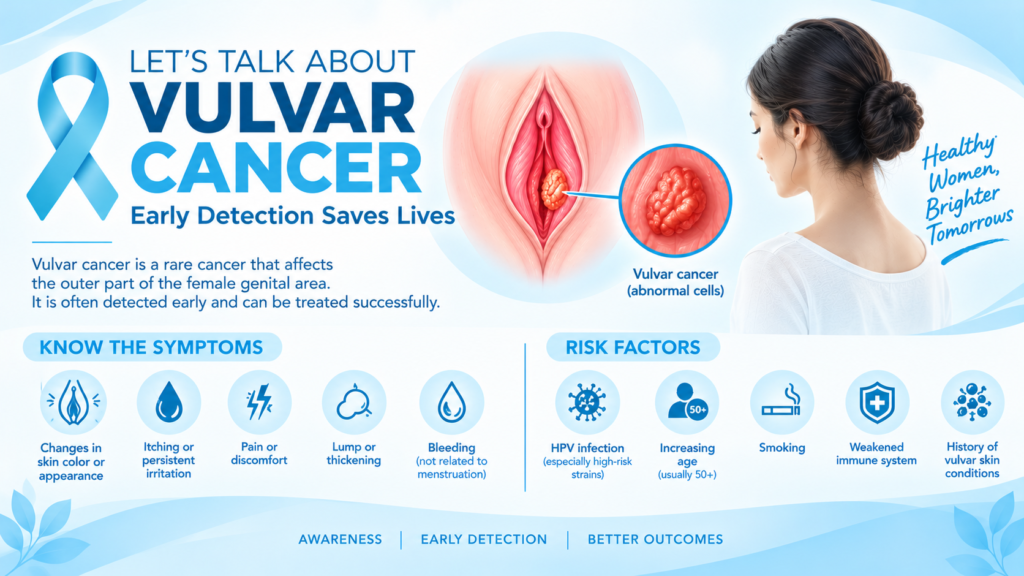
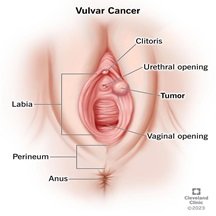
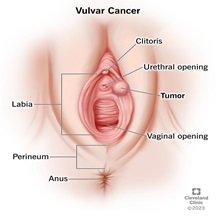
Vulvar cancer is a rare type of gynaecological cancer that develops in the vulva, the external part of the female genital area, including the labia and clitoris. It most commonly affects older women but can occur at any age. Some cases are associated with persistent infection with high-risk types of Human Papillomavirus (HPV), while others may develop in association with chronic vulvar skin conditions. Early recognition of symptoms and timely medical evaluation are important for accurate diagnosis and effective treatment planning.
Dr. Anandita, MBBS, DNB (Obstetrics & Gynaecology), MCh (Gynaecological Oncology), specialises in gynaecological oncology, focusing on the diagnosis, surgical treatment, and management of cancers affecting the female reproductive system. She is dedicated to providing personalised care and guiding women through their diagnosis and treatment journey with compassion, expertise, and clinical understanding.
Symptoms of Vulvar Cancer
Common symptoms and warning signs of vulvar cancer may include:
Persistent itching or irritation in the vulvar area
A lump, swelling, or growth on the vulva
Changes in skin colour or texture
A sore or ulcer that does not heal
Unusual bleeding unrelated to menstruation
Persistent pain, tenderness, or burning
Pain during sexual intercourse
These symptoms may also be caused by non-cancerous conditions. However, persistent symptoms or unusual changes in the vulvar area should be assessed by a qualified healthcare professional.
Diagnosis of Vulvar Cancer
Diagnosis may involve a detailed medical history, examination of the vulvar area, and a biopsy of any suspicious lesion. Depending on the findings, additional investigations, such as imaging tests and assessment of nearby lymph nodes, may be recommended to determine whether the cancer has spread and to guide treatment planning.
Vulvar Cancer Treatment
Treatment depends on the type, size, location, and stage of cancer, as well as the patient’s overall health. Surgery is a common treatment for vulvar cancer and may involve removing the cancerous tissue while preserving as much healthy tissue as safely possible. In selected cases, nearby lymph nodes may also need assessment or removal. Radiotherapy and chemotherapy may be recommended depending on the stage, surgical findings, and individual treatment needs.
Dr. Anandita focuses on individualised treatment planning, helping patients understand their diagnosis and appropriate treatment options while prioritising effective cancer care and quality of life.
Risk Factors and Prevention
Risk factors for vulvar cancer include persistent high-risk HPV infection, increasing age, smoking, certain chronic vulvar skin conditions, and a history of vulvar precancerous changes. HPV vaccination can help prevent many HPV-related infections and reduce the risk of HPV-associated cancers. Regular medical evaluation of persistent skin changes or symptoms is also important.
Compassionate Care for Women with Vulvar Cancer
A vulvar cancer diagnosis can be physically and emotionally challenging. Dr. Anandita is committed to providing compassionate guidance, personalised treatment planning, and supportive care throughout the patient’s cancer journey.
Consult Dr. Anandita for specialised evaluation and management of vulvar cancer.