Breast Cancer: Expert Diagnosis and Treatment
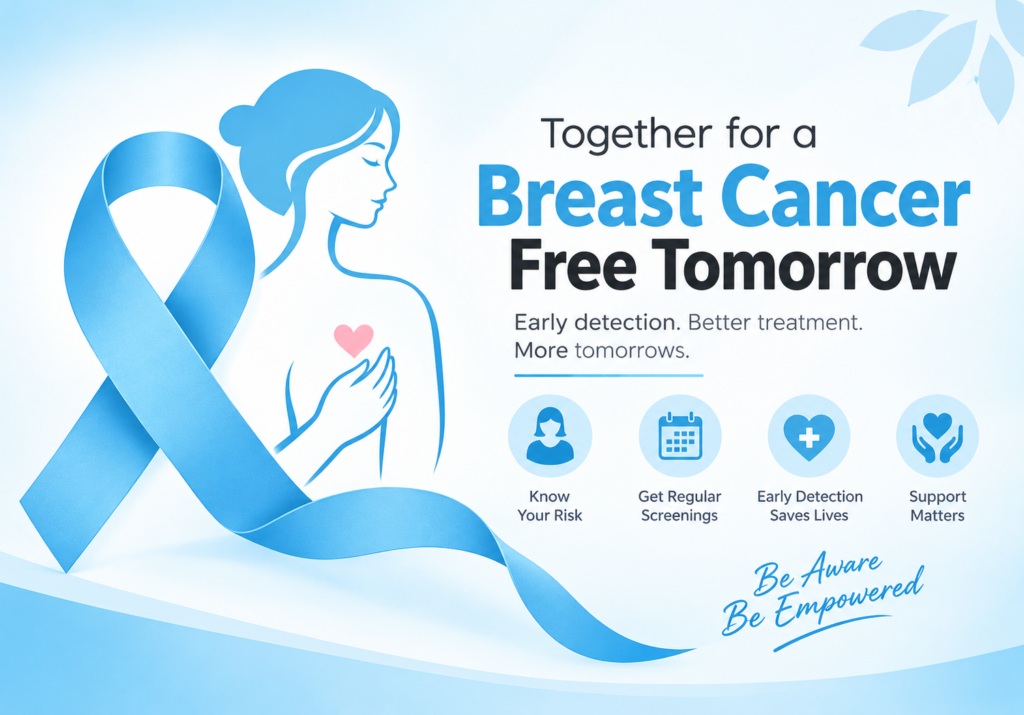
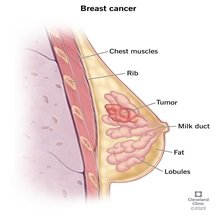
Breast cancer is one of the most common cancers affecting women. It develops when abnormal cells in the breast grow uncontrollably and form a tumour. Breast cancer can occur in different parts of the breast and, in some cases, may spread to other parts of the body. Early detection, timely diagnosis, and appropriate treatment play an important role in improving treatment outcomes. Although breast cancer primarily affects women, it can also occur in men.
Dr. Anandita, MBBS, DNB (Obstetrics & Gynaecology), MCh (Gynaecological Oncology), specialises in gynaecological oncology and the management of cancers affecting the female reproductive system. For women experiencing breast-related symptoms, timely assessment and referral to an appropriate breast cancer specialist are important for accurate diagnosis and coordinated care.
Symptoms of Breast Cancer
Common signs and symptoms of breast cancer may include:
A new lump or thickening in the breast or underarm
Changes in the size or shape of the breast
Changes in the skin, including dimpling or redness
Nipple changes, such as inversion or unusual discharge
Persistent breast pain or discomfort
Skin changes around the nipple or areola
These symptoms do not always indicate cancer. However, any new, persistent, or unusual breast changes should be evaluated by a healthcare professional.
Diagnosis of Breast Cancer
Breast cancer diagnosis may involve a clinical breast examination, mammography, breast ultrasound, and a biopsy of suspicious tissue. Additional tests, including MRI or other imaging investigations, may be recommended when clinically appropriate. The biopsy helps confirm the diagnosis and identify the type of breast cancer, supporting an individualised treatment plan.
Breast Cancer Treatment
Treatment depends on the type and stage of cancer, tumour characteristics, and the patient’s overall health and preferences. Treatment options may include breast-conserving surgery, mastectomy, radiotherapy, chemotherapy, hormone therapy, targeted therapy, or immunotherapy in selected cases. A multidisciplinary team of breast surgeons, medical oncologists, radiation oncologists, and other healthcare professionals helps determine the most appropriate approach.
Breast Cancer Awareness and Early Detection
Being familiar with the normal appearance and feel of your breasts can help you recognise unusual changes. Following recommended breast cancer screening guidance based on age and individual risk factors is important. Women with a strong family history or inherited risk may benefit from specialist assessment and personalised screening recommendations.
Compassionate Cancer Care for Women
A breast cancer diagnosis can be overwhelming for patients and their families. Timely evaluation, clear communication, and coordinated specialist care can help patients understand their diagnosis and make informed decisions about treatment.
Seek expert medical advice for breast changes or concerns about breast cancer to support timely diagnosis and appropriate care.