Uterine (Endometrial) Cancer: Expert Diagnosis and Treatment
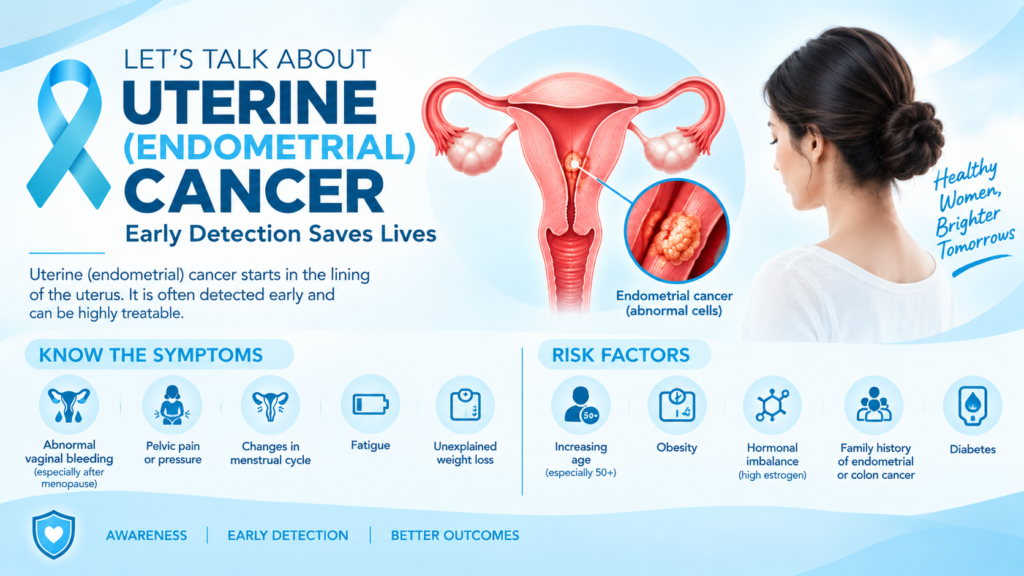
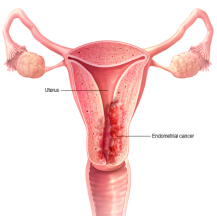
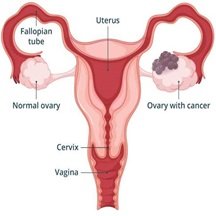
Uterine cancer is a type of cancer that develops in the uterus, the organ where a baby grows during pregnancy. The most common type is endometrial cancer, which begins in the lining of the uterus (the endometrium). It most frequently affects women after menopause, although it can occur before menopause as well. Recognising warning signs and seeking timely medical evaluation are important for early diagnosis and appropriate treatment.
Dr. Anandita, MBBS, DNB (Obstetrics & Gynaecology), MCh (Gynaecological Oncology), specialises in gynaecological oncology, focusing on the diagnosis, surgical treatment, and management of cancers affecting the female reproductive system. She is dedicated to providing personalised treatment plans and compassionate care to women diagnosed with uterine or endometrial cancer.
Symptoms of Uterine (Endometrial) Cancer
Common symptoms and warning signs may include:
Abnormal vaginal bleeding between periods
Bleeding after menopause
Unusually heavy or prolonged menstrual periods
Unusual vaginal discharge
Persistent pelvic pain or pressure
Pain or discomfort during sexual intercourse
Any vaginal bleeding after menopause should be evaluated by a healthcare professional, even if it occurs only once.
Diagnosis of Endometrial Cancer
Diagnosis may involve a detailed medical history, pelvic examination, transvaginal ultrasound, and endometrial biopsy to examine tissue from the uterine lining. Depending on the findings, additional tests, such as hysteroscopy, MRI, or CT scans, may be recommended to assess the extent of the disease and guide treatment planning.
Uterine Cancer Treatment
Treatment depends on the cancer type, stage, grade, and the patient’s overall health and individual needs. Surgery is a common treatment for endometrial cancer and may involve removing the uterus, fallopian tubes, and ovaries. Assessment of nearby lymph nodes may also be recommended in selected cases. Depending on the cancer’s characteristics and stage, additional treatments may include radiotherapy, chemotherapy, hormone therapy, or targeted therapy.
Dr. Anandita focuses on individualised treatment planning and helps patients understand their diagnosis, surgical options, and other appropriate treatment approaches.
Risk Factors and Prevention
Factors associated with an increased risk of endometrial cancer include obesity, increasing age, prolonged exposure to oestrogen without adequate progesterone, certain hormonal conditions, and inherited conditions such as Lynch syndrome. Having a risk factor does not mean that a woman will develop cancer. Maintaining a healthy lifestyle and discussing relevant personal or family medical history with a specialist can help guide individual risk assessment.
There is no routine screening test recommended for endometrial cancer in women without symptoms who are at average risk. Prompt evaluation of abnormal vaginal bleeding is important for timely diagnosis.
Compassionate Care for Women with Uterine Cancer
A cancer diagnosis can be emotionally challenging for women and their families. Dr. Anandita is committed to supporting patients with expert guidance, personalised treatment planning, and compassionate care throughout their treatment journey.
Consult Dr. Anandita for specialised evaluation and treatment of uterine (endometrial) cancer.