Ovarian Cancer: Expert Diagnosis and Treatment
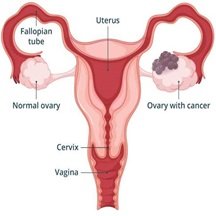
Ovarian cancer is a type of cancer that develops in the ovaries, the organs responsible for producing eggs and female hormones. It may also originate in the fallopian tubes or the peritoneum. Ovarian cancer can be difficult to detect in its early stages because its symptoms are often subtle and may resemble common digestive or urinary problems. Awareness of warning signs, timely medical evaluation, and appropriate treatment are essential for effective disease management.
Dr. Anandita, MBBS, DNB (Obstetrics & Gynaecology), MCh (Gynaecological Oncology), specialises in gynaecological oncology, with a focus on the diagnosis, surgical treatment, and management of cancers affecting the female reproductive system. She is committed to providing personalised, compassionate care and guiding patients through every stage of their treatment journey.
Symptoms of Ovarian Cancer
Ovarian cancer may cause persistent or frequent symptoms, including:
Abdominal bloating or swelling
Pelvic or abdominal pain
Feeling full quickly while eating
Difficulty eating or loss of appetite
Frequent or urgent urination
Changes in bowel habits
Unexplained weight changes or persistent fatigue
These symptoms can occur due to various conditions. However, persistent or unusual symptoms should be evaluated by a qualified healthcare professional.
Diagnosis of Ovarian Cancer
The diagnosis of ovarian cancer may involve a detailed medical history, physical and pelvic examination, imaging tests such as ultrasound or CT scans, and blood tests such as CA-125 when clinically appropriate. A tissue examination is generally required to confirm the diagnosis. The recommended investigations depend on the patient’s symptoms and clinical findings.
Ovarian Cancer Treatment
Treatment depends on the type and stage of cancer, the patient’s overall health, and individual treatment goals. It may include gynaecological cancer surgery, chemotherapy, targeted therapy, or a combination of treatments. Surgery may involve removing the affected ovary or ovaries, fallopian tubes, uterus, and visible cancer deposits, depending on the extent of the disease and the treatment plan. A multidisciplinary team may be involved in managing complex cases.
Dr. Anandita focuses on individualised treatment planning, helping patients understand their diagnosis and available treatment options so they can make informed decisions about their care.
Importance of Early Medical Evaluation
There is currently no routine screening test proven to reliably detect ovarian cancer in the general population at an early stage. Women with a strong family history of ovarian or related cancers may benefit from a specialist assessment of their inherited cancer risk. Seeking medical advice for persistent symptoms can help ensure timely evaluation.
Compassionate Care for Women with Ovarian Cancer
An ovarian cancer diagnosis can be challenging for patients and their families. Dr. Anandita is committed to providing expert guidance, personalised treatment planning, and compassionate support throughout the cancer care journey.
Consult Dr. Anandita for specialised evaluation and management of ovarian cancer.