Cervical Cancer: Expert Diagnosis and Treatment
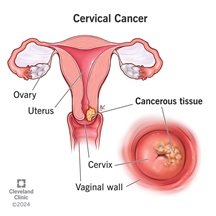
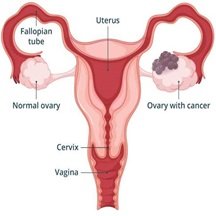
Cervical cancer is a type of cancer that develops in the cervix, the lower part of the uterus that connects to the vagina. It is most commonly associated with persistent infection with high-risk types of Human Papillomavirus (HPV). Early detection, regular screening, and timely treatment play an important role in managing cervical cancer and improving treatment outcomes.
Dr. Anandita, MBBS, DNB (Obstetrics & Gynaecology), MCh (Gynaecological Oncology), specialises in the evaluation and surgical management of gynaecological cancers. She is committed to providing personalised, compassionate care to women diagnosed with cervical cancer, guiding them through diagnosis, treatment planning, and recovery.
Symptoms of Cervical Cancer
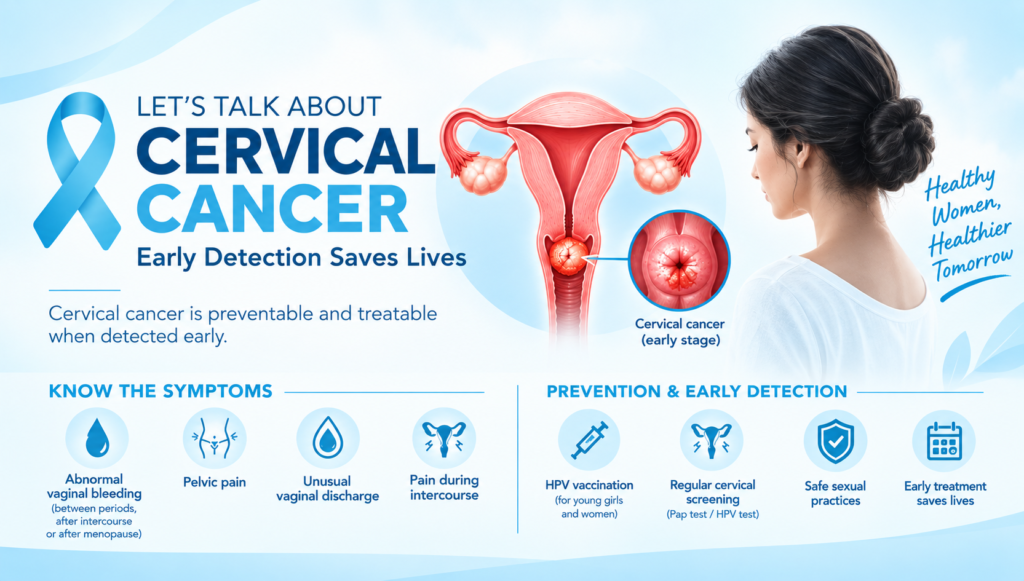
Cervical cancer may not cause noticeable symptoms in its early stages. Possible warning signs include:
Abnormal vaginal bleeding between periods or after sexual intercourse
Bleeding after menopause
Unusual or foul-smelling vaginal discharge
Persistent pelvic pain
Pain during sexual intercourse
These symptoms can occur due to conditions other than cancer, but they should be evaluated by a qualified healthcare professional.
Diagnosis of Cervical Cancer
Early diagnosis is important for effective treatment planning. Depending on the patient’s symptoms and clinical findings, investigations may include a Pap smear, HPV testing, colposcopy, cervical biopsy, and appropriate imaging tests to determine the extent of the disease.
Cervical Cancer Treatment
Treatment depends on the stage of cancer, the patient’s overall health, and individual treatment needs. Options may include surgery, radiotherapy, chemotherapy, or a combination of treatments. Selected early-stage cancers may be suitable for fertility-preserving treatment when clinically appropriate. Advanced cases may require a multidisciplinary approach involving gynaecological oncologists, radiation oncologists, and medical oncologists.
Dr. Anandita focuses on individualised treatment planning, helping patients understand their options and make informed decisions about their care.
Prevention and Early Detection
Cervical cancer is largely preventable through HPV vaccination and appropriate cervical cancer screening. Regular screening can identify precancerous changes before they develop into cancer. Women should follow screening recommendations appropriate for their age and individual risk factors.
Compassionate Care for Every Woman
A cervical cancer diagnosis can be emotionally challenging for patients and their families. Dr. Anandita is committed to supporting women with expert guidance, personalised treatment planning, and compassionate care throughout their cancer journey.
Consult Dr. Anandita for evaluation and specialised care for cervical cancer.