Cervical Cancer: Early Warning Signs, Causes, Prevention and Treatment
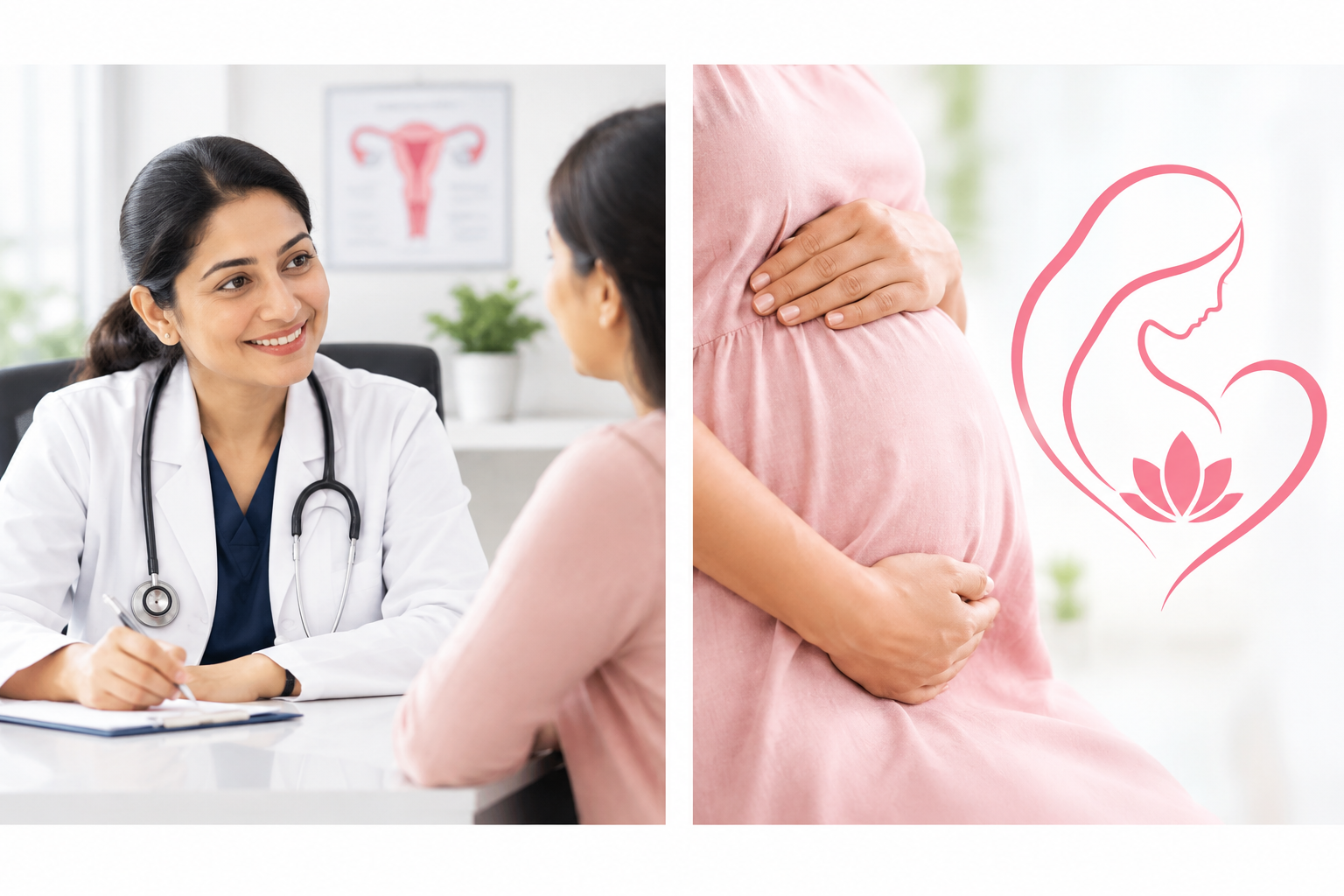
Cervical cancer is one of the most common gynaecological cancers affecting women worldwide. It develops in the cervix, the lower part of the uterus that connects to the vagina. The good news is that cervical cancer is often preventable through HPV vaccination and regular screening, and treatment outcomes can be better when the disease is detected early. Women's health plays an important role in overall well-being at every stage of life. From adolescence and reproductive years to pregnancy and menopause, women may experience physical and hormonal changes that require appropriate medical attention. Regular gynaecological check-ups help women understand their bodies, identify potential health concerns, and make informed decisions about their healthcare. What Is a Gynaecological Check-up? A gynaecological check-up is a healthcare consultation focused on the female reproductive system and related health concerns. Depending on a woman's age, medical history, symptoms, and individual needs, the consultation may include a discussion about menstrual cycles, reproductive health, contraception, pregnancy planning, or menopause. The doctor may recommend further examination or screening tests when medically appropriate. ## Common Women's Health Concerns Women may experience a range of gynaecological conditions throughout their lives. Some common concerns include: ### 1. Irregular Periods Menstrual cycles can vary, but frequent irregularity, unusually heavy bleeding, or significant changes in periods should be discussed with a qualified gynaecologist. Possible causes include hormonal changes, thyroid disorders, polycystic ovary syndrome (PCOS), and other medical conditions. ### 2. Polycystic Ovary Syndrome (PCOS) PCOS is a hormonal condition that may affect menstrual cycles, skin, hair growth, and fertility. Early assessment can help identify symptoms and guide an appropriate management plan based on individual needs. ### 3. Pregnancy Care Regular antenatal consultations help monitor the health of the mother and developing baby. Pregnancy care may include routine assessments, recommended scans, laboratory tests, nutritional guidance, and advice about warning signs that require medical attention. ### 4. Vaginal Infections and Discomfort Unusual discharge, itching, irritation, unpleasant odour, or pelvic discomfort may indicate an infection or another condition. Proper medical assessment is important because treatment depends on the underlying cause. ### 5. Menopause and Hormonal Changes Menopause can bring changes such as hot flashes, sleep disturbances, vaginal dryness, and changes in menstrual patterns. A gynaecologist can discuss suitable options for managing symptoms and maintaining long-term health. ## Why Are Regular Gynaecological Visits Important? Regular consultations provide an opportunity to discuss symptoms, review reproductive health, and understand which preventive screenings are appropriate. The benefits may include: - Early assessment of unusual symptoms. - Personalised advice about menstrual and reproductive health. - Guidance on pregnancy planning and contraception. - Appropriate screening based on age and medical history. - Support for managing menopause-related concerns. The recommended frequency of visits depends on individual circumstances. Women should seek medical advice when symptoms arise rather than waiting for a routine appointment. ## When Should You Consult a Gynaecologist? Consider consulting a qualified gynaecologist if you experience persistent irregular periods, severe menstrual pain, unusually heavy bleeding, unexplained pelvic pain, unusual vaginal discharge, fertility concerns, or symptoms associated with menopause. Seek urgent medical attention for severe abdominal or pelvic pain, heavy bleeding accompanied by dizziness or fainting, or pain or bleeding during pregnancy. ## Take a Proactive Approach to Women's Health Every woman's healthcare needs are different. Maintaining a record of menstrual cycles, discussing symptoms openly, following recommended screening schedules, and seeking professional advice can help support better reproductive health. Do not hesitate to seek medical guidance for concerns that affect your comfort, daily routine, or quality of life. ## Consult Dr. Anandita for Gynaecological Guidance Taking care of your health starts with understanding your body and recognising when to seek help. A personalised consultation can help you discuss your concerns and understand the next steps for your healthcare needs. **Book a consultation with Dr. Anandita** to discuss your gynaecological and women's health concerns.
Ovarian Cancer: Symptoms, Risk Factors, Early Detection and Treatment
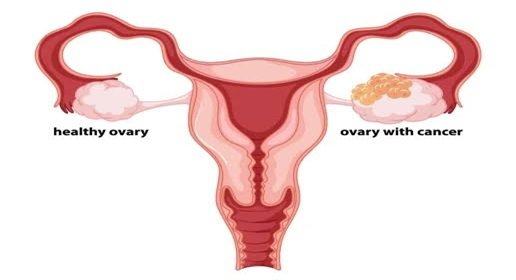
Ovarian cancer develops when abnormal cells grow uncontrollably in or around the ovaries. The ovaries are part of the female reproductive system and are responsible for producing eggs and hormones.
HPV and Cervical Cancer: Understanding the Connection, Vaccination and Prevention
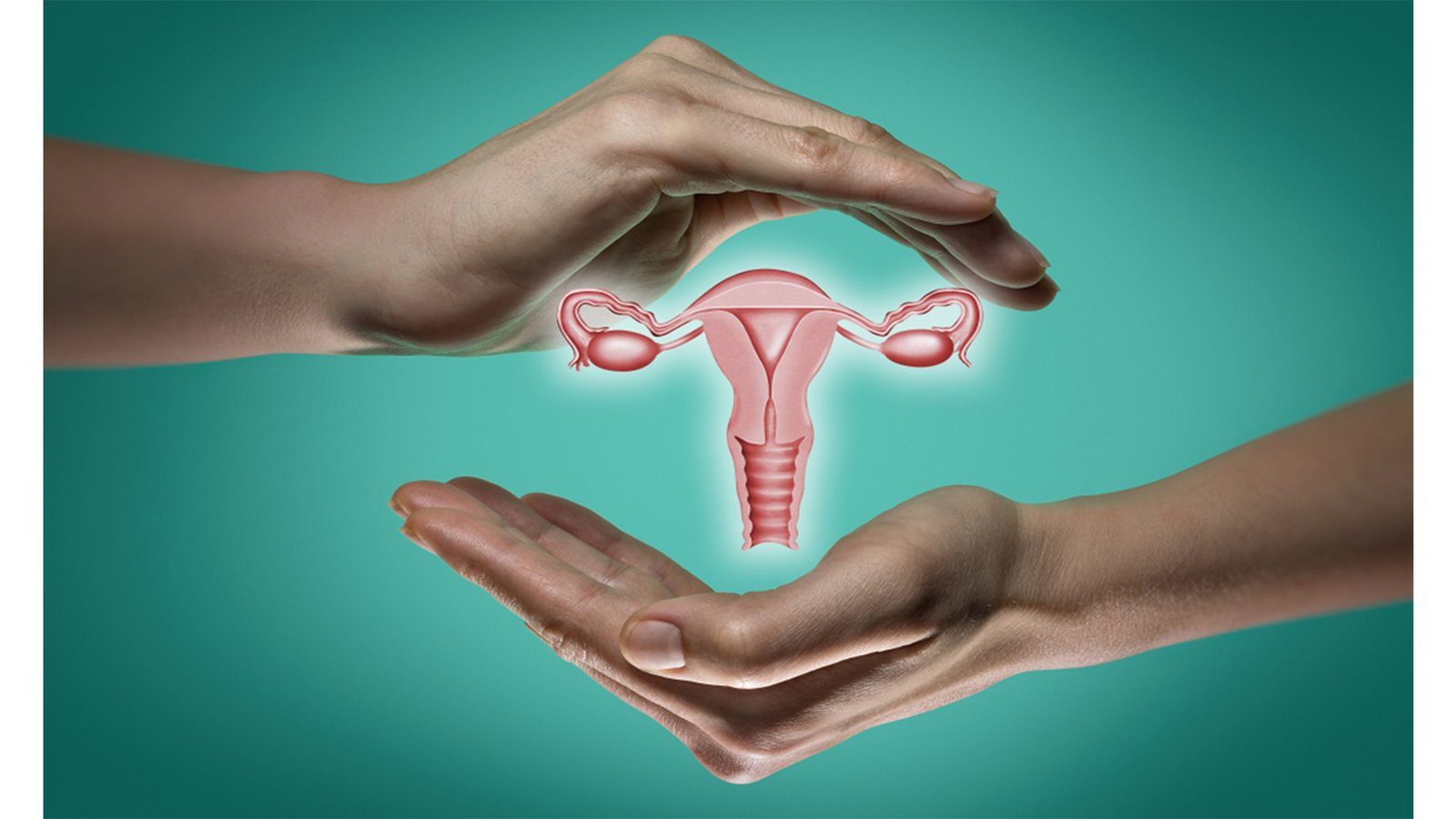
Understanding the connection between HPV and cervical cancer can help women make informed decisions about vaccination, screening and preventive healthcare. Menstrual cycles are an important part of reproductive health. While occasional changes in periods can happen, frequent irregularity, unusually heavy bleeding, or missed periods may indicate an underlying health concern. Understanding the possible causes of irregular periods can help women recognise when they should seek medical advice and receive appropriate care. What Are Irregular Periods? A menstrual cycle is counted from the first day of one period to the first day of the next. The length of a cycle can vary from one woman to another and may also change with age. For most adults, menstrual cycles typically occur every 21 to 35 days. Periods may be less regular during the first few years after menstruation begins and during the transition to menopause. If your periods frequently fall outside your usual pattern, stop unexpectedly, or change significantly, consult a healthcare professional. Common Causes of Irregular Periods Several factors can affect the menstrual cycle. Some of the most common causes include: 1. Polycystic Ovary Syndrome (PCOS) PCOS is a hormonal condition that can interfere with regular ovulation. Women with PCOS may experience infrequent periods, acne, increased facial hair, or difficulty conceiving. 2. Thyroid Disorders The thyroid gland helps regulate several body functions, including processes that influence menstruation. Both an underactive and an overactive thyroid may contribute to menstrual irregularities. 3. Stress and Lifestyle Changes Significant stress, inadequate sleep, rapid weight changes, excessive exercise, or insufficient nutritional intake can affect the hormones involved in the menstrual cycle. 4. Pregnancy and Breastfeeding A missed period may be an early sign of pregnancy. Menstrual cycles may also change during breastfeeding and after childbirth. If pregnancy is possible, consider taking a pregnancy test and seeking medical advice when appropriate. 5. Perimenopause As women approach menopause, hormonal fluctuations may lead to changes in cycle length, flow, and frequency. However, unusually heavy or persistent bleeding should still be evaluated. 6. Other Gynaecological Conditions Conditions such as uterine fibroids, polyps, and other reproductive health problems may cause abnormal bleeding patterns. A medical assessment helps determine the underlying cause. Symptoms You Should Not Ignore Consider consulting a gynaecologist if you experience: Frequently missed or unpredictable periods. Bleeding that lasts longer than usual. Very heavy menstrual bleeding. Severe period pain that affects daily activities. Bleeding between periods or after sexual intercourse. A sudden change in your usual menstrual pattern. Seek urgent medical attention if heavy bleeding is accompanied by dizziness or fainting, or if you experience severe pelvic pain, particularly when pregnancy is possible. How Are Irregular Periods Diagnosed? The appropriate assessment depends on your age, symptoms, medical history, and the pattern of bleeding. A gynaecologist may recommend: A review of your menstrual and medical history. A pregnancy test when relevant. Blood tests to assess thyroid function, hormone levels, or blood count when indicated. A pelvic ultrasound if clinically appropriate. Additional investigations depending on the findings. Not every woman needs every test. Investigations are selected according to individual circumstances. What Are the Treatment Options? Treatment depends on the cause of irregular periods and whether you are planning a pregnancy. Management may include: Lifestyle guidance: Balanced nutrition, adequate sleep, regular physical activity, and sustainable health habits may help when lifestyle factors contribute to menstrual changes. Medication: Depending on the diagnosis, a doctor may prescribe medication to regulate periods, manage heavy bleeding, or address an underlying hormonal condition. Treatment of underlying conditions: Thyroid disorders, PCOS, and other identified causes may require specific management. Follow-up care: Monitoring menstrual patterns and attending recommended appointments can help assess treatment response. Avoid taking hormonal medication or other treatments without medical advice. How Can You Track Your Menstrual Cycle? Keeping a record of your periods can help you understand your usual cycle and provide useful information during a consultation. You can record: The first and last days of each period. Whether bleeding is light, moderate, or heavy. Pain, cramps, or other symptoms. Any bleeding between periods. Significant changes in medication, stress, or lifestyle. These details can help your doctor assess changes in your menstrual health. When Should You Consult a Gynaecologist? Do not ignore persistent menstrual changes or assume that irregular periods are always caused by stress or PCOS. A timely consultation can help identify the cause and determine whether treatment is needed. If you have missed periods for several months, experience unusually heavy bleeding, or notice a significant change in your cycle, seek professional advice. Consult Dr. Anandita for Menstrual Health Guidance Every woman's menstrual cycle is different, and changes deserve attention when they persist or cause concern. Understanding your symptoms is an important step towards protecting your reproductive health. Book a consultation with Dr. Anandita to discuss irregular periods, menstrual discomfort, and other gynaecological concerns.

Pregnancy Care Guide: Essential Tips for a Healthy Pregnancy
Pregnancy Care Guide: Essential Tips for a Healthy Pregnancy By Dr. Anandita | Gynaecology & Women's Health Pregnancy is an important journey that brings physical, emotional, and hormonal changes. Proper pregnancy care helps monitor the health of both the mother and the developing baby while providing guidance at every stage. From early antenatal check-ups to nutrition, physical activity, and preparing for delivery, understanding the basics of pregnancy care can help expectant mothers make informed decisions throughout pregnancy. Why Is Pregnancy Care Important? Regular antenatal care allows healthcare professionals to monitor the progress of pregnancy, identify potential concerns, and provide personalised medical guidance. During antenatal visits, your doctor may assess blood pressure, weight, the baby's growth, and other aspects of maternal health. Recommended blood tests and ultrasound scans help evaluate pregnancy progress according to your individual needs. Starting antenatal care early is important, even if you feel well and have no noticeable symptoms. 1. Schedule Regular Antenatal Check-ups Antenatal appointments help your doctor assess your health and your baby's development. During these visits, you may receive guidance about: Recommended blood and urine tests. Ultrasound scans at appropriate stages. Blood pressure and other health assessments. Vaccinations and supplements recommended during pregnancy. Warning signs that require medical attention. The frequency of appointments depends on your pregnancy stage, medical history, and individual risk factors. Attend all recommended appointments, even when you feel healthy. 2. Follow a Balanced Pregnancy Diet Good nutrition supports maternal health and the baby's growth. Aim for a balanced diet that includes a variety of foods. Helpful dietary choices include: Fruits and vegetables: Provide essential vitamins, minerals, and fibre. Whole grains: Support energy needs and digestive health. Protein-rich foods: Include pulses, beans, lentils, eggs, well-cooked lean meat, or other suitable sources. Calcium-rich foods: Milk, yoghurt, and suitable alternatives can help meet calcium requirements. Iron-rich foods: Include appropriate sources of iron as part of a balanced diet. Your doctor may recommend folic acid, iron, calcium, vitamin D, or other supplements depending on your needs and local antenatal guidelines. Avoid alcohol during pregnancy. Choose pasteurised dairy products and thoroughly cooked foods, and follow food-safety advice to reduce the risk of infection. 3. Stay Physically Active For many women with uncomplicated pregnancies, regular moderate physical activity can support overall well-being, sleep, and fitness. Suitable activities may include walking, gentle stretching, and pregnancy-appropriate exercise, depending on your health and fitness level. However, exercise recommendations differ for women with certain pregnancy complications. Discuss your activity plans with your healthcare professional, especially if you have been advised to restrict exercise. Stop exercising and seek medical advice if you experience concerning symptoms such as vaginal bleeding, chest pain, faintness, or significant breathlessness. 4. Take Care of Your Emotional Well-being Pregnancy can bring a wide range of emotions, from excitement to anxiety. Hormonal changes, sleep disturbances, and concerns about childbirth or parenting may affect emotional well-being. To support your mental health: Get adequate rest. Talk openly with trusted family members or friends. Ask questions during antenatal appointments. Seek professional support if anxiety, sadness, or distress persists. Mental health is an important part of pregnancy care. You deserve support whenever you need it. 5. Avoid Harmful Substances and Unsupervised Medication During pregnancy, some medicines and substances may affect the developing baby. Avoid alcohol, smoking, and recreational drugs. Do not start, stop, or change prescribed medicines, herbal products, or supplements without discussing them with your healthcare professional. If you have an existing medical condition, speak with your doctor about managing it safely during pregnancy. 6. Understand Common Pregnancy Symptoms Some symptoms are common during pregnancy, including nausea, tiredness, breast tenderness, and more frequent urination. However, symptoms should not automatically be assumed to be normal. Contact your healthcare professional if symptoms are persistent, worsening, or interfering with your daily life. Seek urgent medical attention for warning signs such as: Heavy vaginal bleeding. Severe abdominal pain. Severe headache or vision changes. Fever or difficulty breathing. Leakage of fluid from the vagina. Noticeably reduced fetal movements after you have begun feeling a regular movement pattern. If you are concerned about your symptoms, do not delay seeking medical advice. 7. Prepare for Delivery Planning ahead can help you feel more confident as your due date approaches. Discuss your delivery options, hospital arrangements, pain-relief choices, and any specific medical concerns with your obstetric care team. It is also helpful to understand the signs of labour and when to contact your hospital. Your doctor can provide guidance tailored to your pregnancy and explain when you should seek immediate care. Remember that the timing and method of delivery depend on your medical circumstances and the progress of pregnancy. 8. Do Not Miss Recommended Pregnancy Tests Screening and diagnostic tests help assess maternal health and the baby's development. Depending on the stage of pregnancy and individual circumstances, your doctor may recommend tests for anaemia, blood group and Rh status, infections, gestational diabetes, and other conditions. Ultrasound scans are scheduled according to clinical recommendations and your pregnancy needs. Your healthcare professional will explain the purpose, timing, and results of recommended tests. Frequently Asked Questions About Pregnancy Care When should I visit a doctor after a positive pregnancy test? Arrange an antenatal appointment as soon as you learn you are pregnant. Your doctor can advise you about early pregnancy care, supplements, tests, and any precautions based on your medical history. How often should I attend antenatal appointments? The schedule varies depending on your pregnancy stage, health, and risk factors. Follow the appointment plan recommended by your obstetric care team. Are supplements necessary during pregnancy? Some supplements, including folic acid and iron, are commonly recommended at particular stages of pregnancy. The type and dose should follow professional advice and applicable antenatal guidelines. Is exercise safe during pregnancy? Many women with uncomplicated pregnancies can continue or begin suitable moderate activity. However, exercise may need modification or avoidance in certain medical situations. Ask your doctor what is safe for you. Conclusion: Make Pregnancy Care a Priority A healthy pregnancy begins with informed decisions, regular antenatal care, balanced nutrition, appropriate physical activity, and attention to physical and emotional well-being. Every pregnancy is different, so advice should be tailored to the mother's medical history and individual needs. Regular communication with a qualified healthcare professional helps you understand the next steps and recognise when to seek help. Consult Dr. Anandita for pregnancy care and antenatal guidance. Book an appointment to discuss your pregnancy, recommended check-ups, and any concerns you may have.